



AQA / A Level
AQA A Level Chemistry Paper 2 2025 Question Paper Pdf
Get the official AQA A-Level Chemistry Paper 2 question paper from the June 2025 series (7405/2). This is the exact examiner-set paper used in the live exam, focusing on **Organic Chemistry and Analysis**, featuring structured questions, mechanisms, synthesis, spectroscopy, and extended calculations.
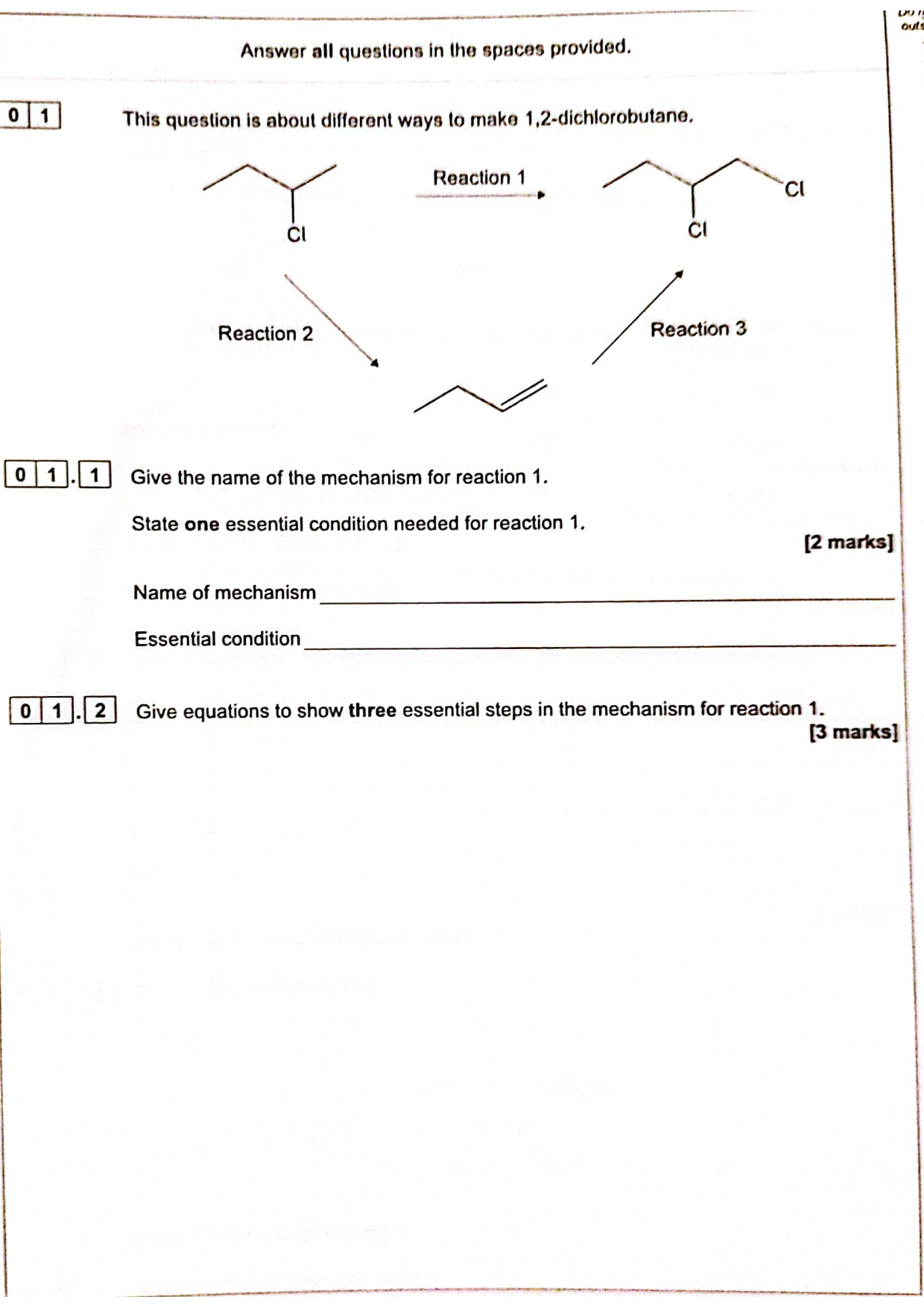
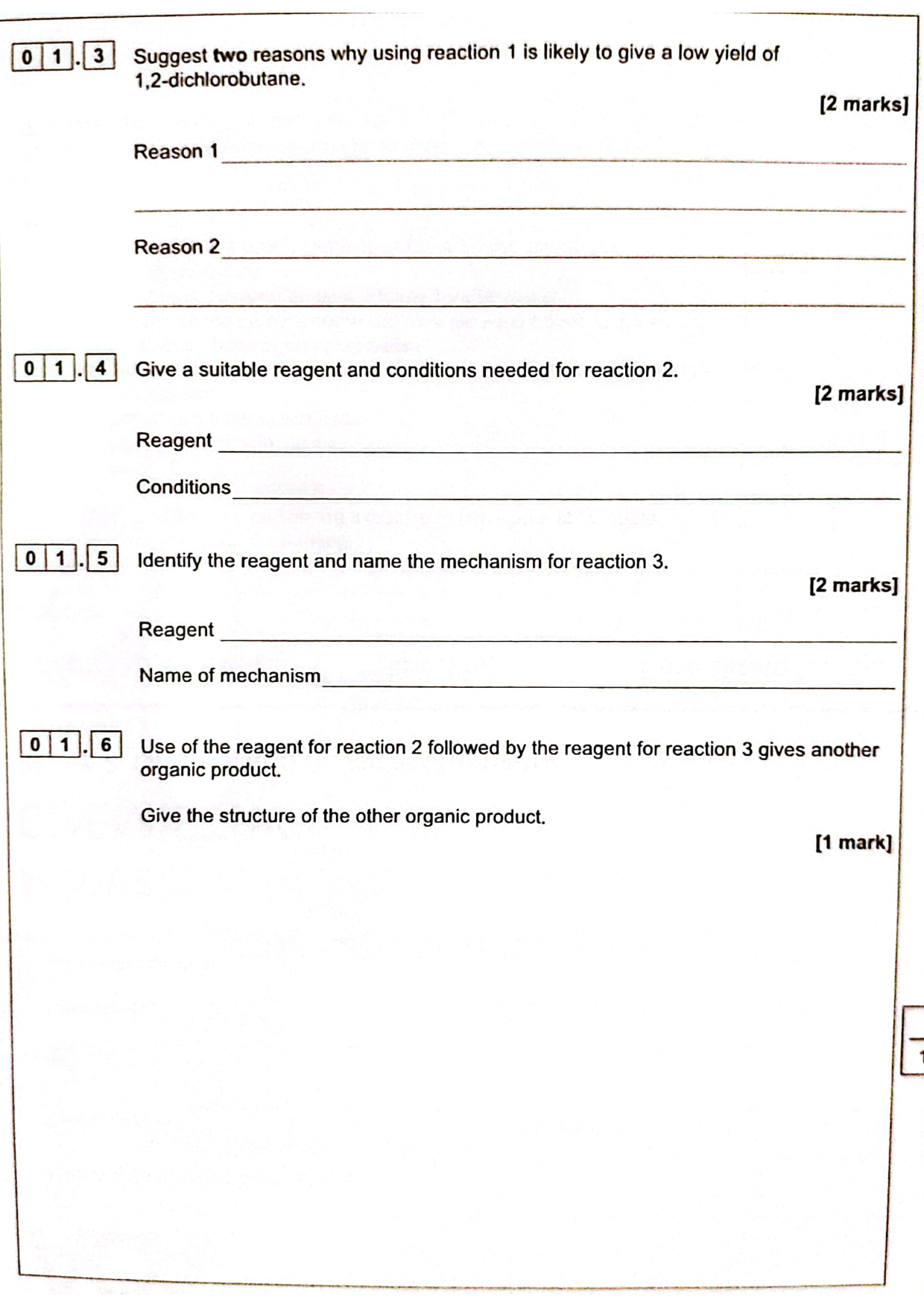
The paper begins with organic synthesis pathways. For example, **Question 1 (page 1)** explores multiple routes to produce 1,2-dichlorobutane, testing free-radical substitution, elimination, and electrophilic addition mechanisms, including conditions and reaction steps.
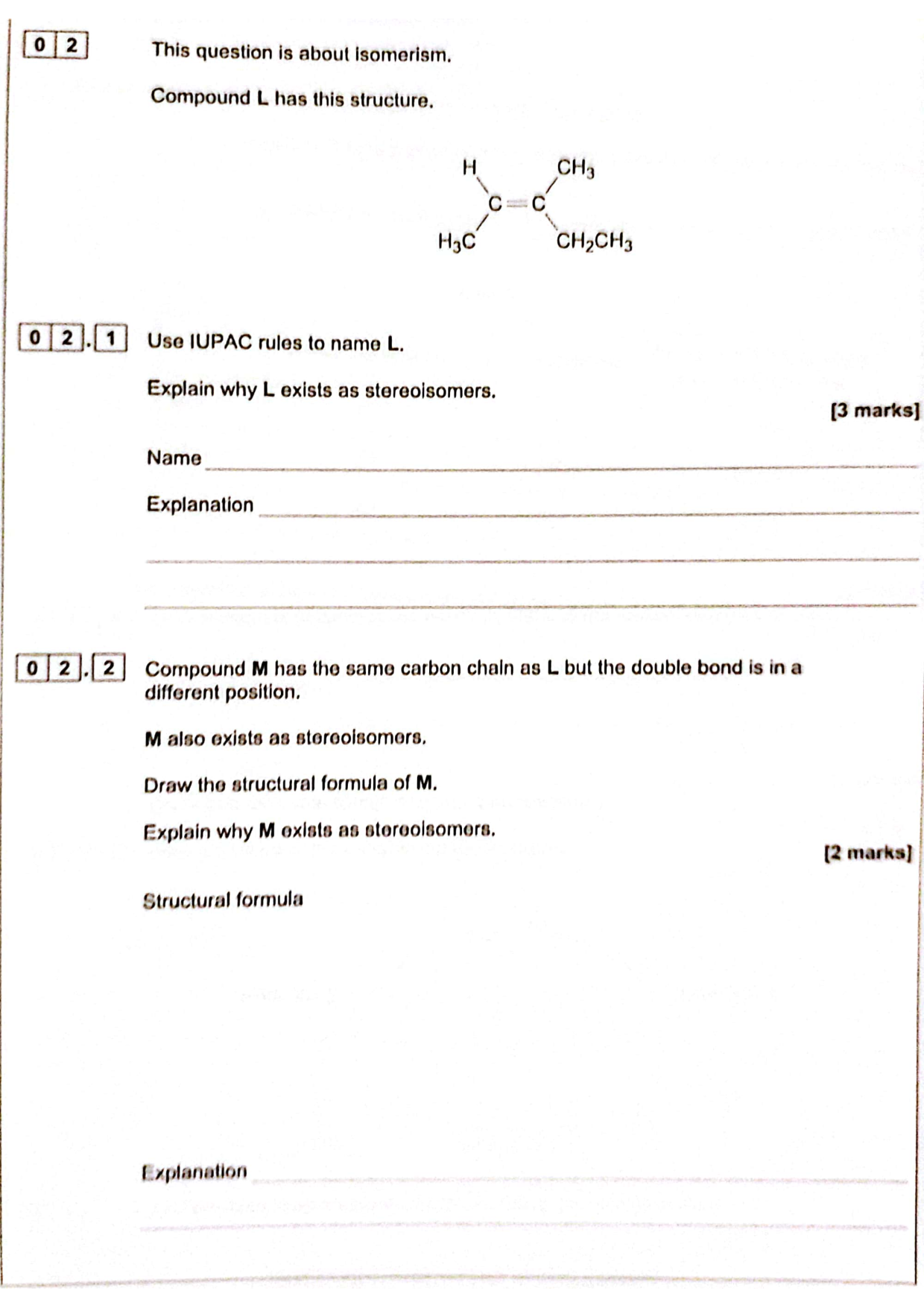
Isomerism and reaction mechanisms are key topics. **Question 2 (pages 3–4)** assesses stereoisomerism (E/Z isomerism) and requires students to complete a reaction mechanism for hydrogen bromide addition using curly arrows, demonstrating understanding of electrophilic addition.
Polymer chemistry is heavily tested. **Question 3 (pages 5–9)** includes:
- PVC formation and monomer identification
- Plasticisers such as DIBP and DEHA
- Intermolecular forces affecting migration into food (Table on page 7 shows fat content vs DEHA absorption)
- Polymerisation mechanisms for nylon 6,6 and nylon 6 (Figures 2 and 3)
Practical organic chemistry is assessed in detail. **Question 4 (pages 10–13)** covers preparation of hexanedioic acid from cyclohexanol, including experimental steps, recrystallisation, melting point determination, and evaluation of apparatus (Figure 4). It also includes sustainability analysis using an alternative bio-based process (Figure 5).
Aromatic chemistry is examined in **Question 5 (pages 14–15)**, including nitration of methylbenzene to form TNT, calculation of yield, and full electrophilic substitution mechanisms involving the nitronium ion (NO₂⁺).
Biochemistry and spectroscopy are also included:
- **Question 6 (pages 16–18):** Amino acids, peptide structure (GHK), NMR solvents (D₂O), and protein secondary structure changes
- **Question 7 (pages 19–20):** Advanced spectroscopy, including molecular formula determination from accurate mass, and interpretation of **¹H and ¹³C NMR spectra** (Figures 7 and 8)
For example, the **NMR spectra on page 20** require identifying functional groups and deducing structure from chemical shift patterns, a key high-level exam skill.
This paper is essential for realistic exam practice, helping you master organic mechanisms, synthesis pathways, spectroscopy interpretation, and practical chemistry evaluation required for top grades in A-Level Chemistry. Pair it with the official mark scheme for full examiner-standard revision. Fully updated for the 2025/2026 academic year and optimised for instant download on markscheme.net.
This paper is essential for Year 13 students preparing for the 2026 AQA A-Level Chemistry exams, particularly those focusing on Paper 2 topics including organic chemistry and analysis.
Teachers and tutors use this resource for mock exams, timed assessments, and structured revision sessions. It is also ideal for independent learners and retake candidates who want authentic exam-style practice and exposure to real AQA questions.
Download AQA A Level Chemistry Paper 3 (7405/3) June 2025 Mark Scheme Pdf With Full A...
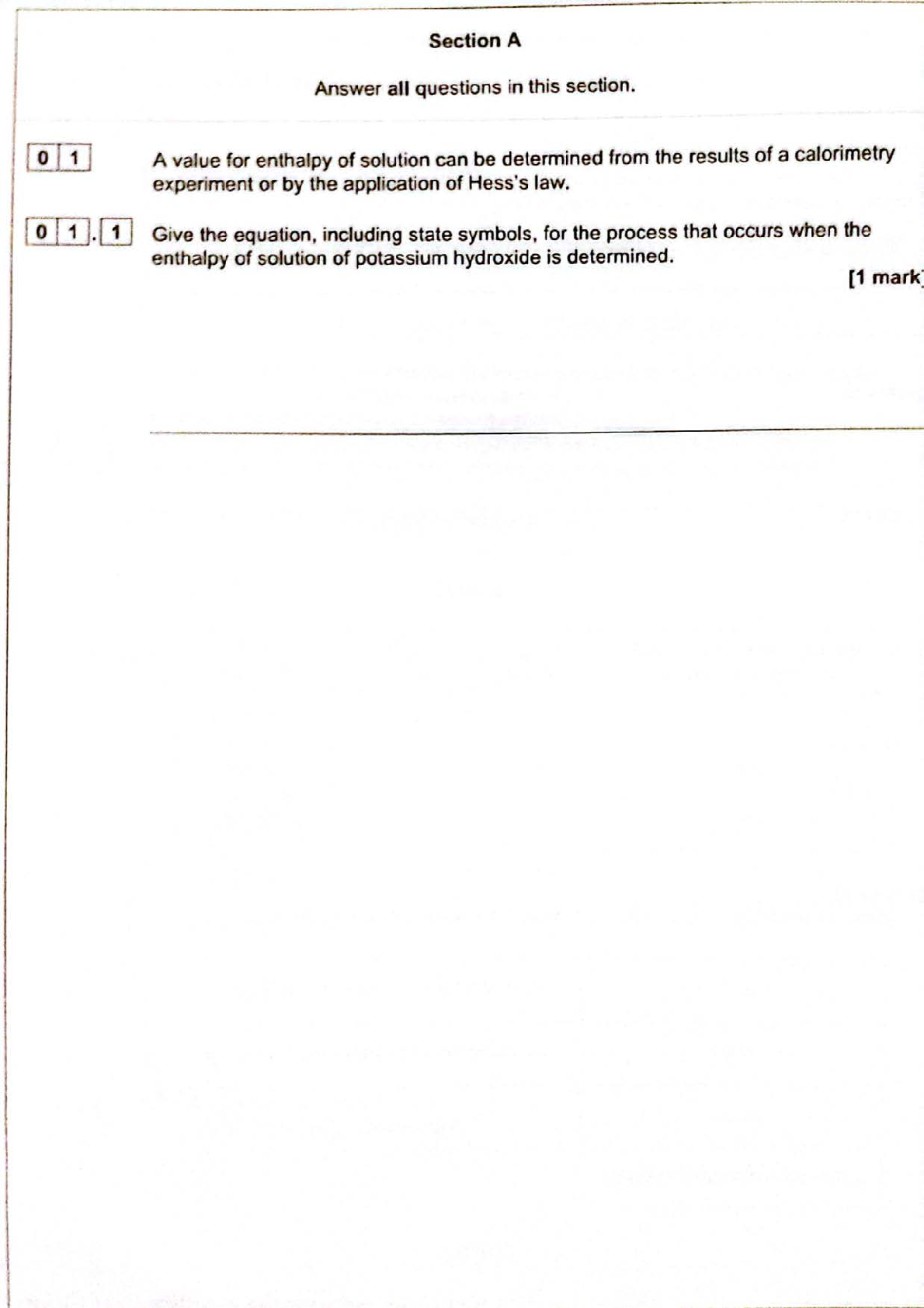
Download AQA A Level Chemistry Paper 3 (7405/3) June 2025 Question Paper Pdf. Free In...
Download AQA A Level Chemistry Paper 2 (7405/2) June 2025 Mark Scheme Pdf With Full A...
Download AQA A Level Chemistry Paper 1 (7405/1) June 2025 Question Paper Pdf. Free In...